 592781212
 Login
Login Register




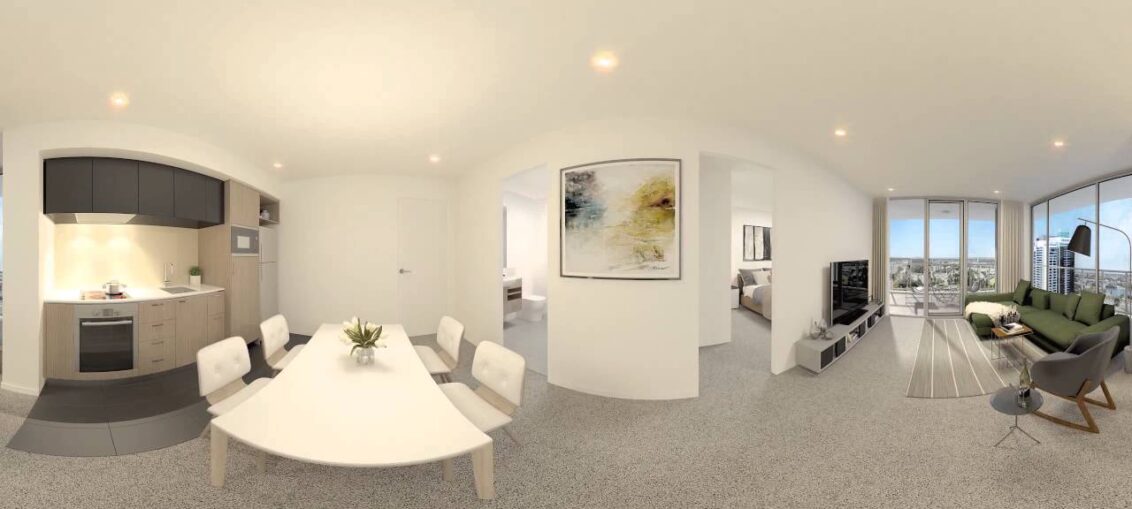
Modern Hotel Furniture and Branding — Creating Memorable Guest Experiences
Modern Hotel Furniture and Branding — Creating Memorable Guest Experiences
The hospitality industry is becoming increasingly competitive every year. Today’s guests are not simply looking for a place to stay—they are seeking comfort, aesthetics, memorable experiences, and a unique atmosphere. This is why the success of a modern hotel depends heavily on interior design, high-quality furniture, and strategic branding.
Across Georgia, the hospitality sector continues to grow rapidly, from family-run guesthouses and hostels to luxury hotels and resort complexes. Investors are placing greater emphasis on visual appeal and guest experience, recognizing that first impressions often determine online reviews, customer satisfaction, and repeat bookings.
Furniture as the Foundation of Hotel Identity
Hotel furniture is far more than a functional necessity. It plays a key role in shaping the atmosphere and character of a property.
Modern hotels focus on creating cohesive and visually appealing environments through:
- Reception and lobby areas;
- Guest room furnishings;
- Restaurant and café interiors;
- Outdoor terraces and relaxation zones;
- Shared workspaces and lounge areas.
Every furniture element should complement the hotel's architecture, location, and brand identity while creating a harmonious guest experience.
Great Design Begins with Careful Planning
Successful hotel projects start with professional design and detailed planning. Modern 3D visualization and interior design software allow investors and designers to create realistic representations of spaces before production begins.
This process helps to:
- Define accurate furniture dimensions;
- Maximize available space;
- Select suitable materials and finishes;
- Prevent costly production mistakes;
- Ensure a seamless implementation process.
Proper planning significantly improves efficiency while delivering a more refined final result.
High-Quality Furniture as a Long-Term Investment
Hotel furniture experiences intensive daily use. For this reason, durability and quality are essential factors when selecting materials and manufacturing methods.
Important considerations include:
✔ Premium MDF and laminated materials
✔ Fully edge-banded furniture components
✔ Durable hardware and fittings
✔ Minifix assembly systems
✔ Moisture-resistant surfaces
These features extend furniture lifespan, reduce maintenance costs, and maintain a professional appearance over time.
Branding That Guests Remember
Modern hotels increasingly use branded interior elements to strengthen their visual identity and create memorable guest experiences.
UV DTF Decoration and Branding
UV DTF technology makes it possible to apply logos, decorative graphics, room numbers, and custom designs to various surfaces, including:
- Doors;
- Mirrors;
- Glass panels;
- Furniture;
- Decorative interior elements.
This technology delivers vibrant colors, excellent detail, and long-lasting durability.
Laser Engraving for Premium Details
Luxury hotels frequently utilize laser engraving to enhance their interiors with sophisticated and elegant branding.
Popular applications include:
- Room number signs;
- Wooden decorative panels;
- Personalized plaques;
- VIP area signage;
- Corporate branding elements.
Laser engraving offers a premium appearance while ensuring exceptional durability.
Textile Branding and Computerized Embroidery
Branded textiles contribute significantly to a hotel's professional image and guest perception.
Computerized embroidery is commonly used for:
- Staff uniforms;
- Bathrobes;
- Towels;
- Decorative cushions;
- Premium textile accessories.
Embroidered branding creates a sense of luxury and reinforces the hotel's identity throughout the guest experience.
Guest Satisfaction Begins with the Details
Guests notice the details from the moment they enter a hotel. Successful hospitality businesses pay close attention to:
- Color harmony;
- Lighting design;
- Furniture comfort;
- Functional layouts;
- Branded decorative elements.
These details often make the difference between an average stay and an unforgettable experience.
The Future of Hospitality Design
Today's guests expect more than accommodation—they expect a complete experience. As a result, furniture, interior design, and branding have become interconnected elements of modern hospitality strategy.
High-quality furniture, thoughtful design, UV DTF decoration, laser engraving, and branded textiles work together to create spaces that impress guests, strengthen brand recognition, and contribute to long-term business success.
Conclusion
Modern hotel design is no longer solely about aesthetics. It is about creating an environment that combines comfort, functionality, branding, and emotional connection. Hotels that invest in quality furniture and innovative branding solutions create memorable experiences that encourage positive reviews, repeat visits, and stronger customer loyalty.
Title
Modern Hotel Furniture and Branding — Creating Memorable Guest Experiences

